

A beautiful smile is rarely achieved by accident. Rather, it’s the product of dedicated daily oral care and regular trips to the dentist. But all too often, people postpone seeing the dentist due to lack of pain, or just because of other commitments. The unfortunate truth is that many common dental conditions develop quietly, and don’t really become apparent until the pain begins.
When Should I Go for a Dental Checkup in Patna?
Knowing the correct time to consult a dentist will save you from serious oral problems as well as huge expenditure in treatments. Here is the comprehensive guidance for when you should visit dental professionals in Patna, which signs should be given special attention and the impact of routine checkups on dental health.
But, before discussing warning signs, let’s understand how often most people should visit a dentist and why every patient doesn’t follow the same schedule.
How Often Should You Visit a Dentist?
It all depends. Everyone has a different schedule for how often you should visit the dentist. While 6 months is a common one, your teeth and gum health will play a big part in what works best for your needs.
Studies indicate that preventive cleanings can often prevent pain, costly treatments and other oral health problems from emerging.
A dentist may recommend:
- Every 6 months if you have healthy teeth and gums.
- Every 3-4 months if you have gum disease, diabetes, smoke, or are pregnant.
- At least once a year if you are considered low-risk, although many patients benefit from more frequent preventive visits.
Rather than adhere to a strict schedule, put your dental care into the hands of a plan that suits you. By visiting your dentist routinely, he/she will be able to identify any emerging dental concerns, remove built-up plaque and tartar from teeth and share a custom plan for optimal smile care.
More often than not, dealing with the issue as it begins is infinitely easier, more cost-effective and less painful than dealing with it once it has escalated.
7 Warning Signs You Need a Dentist Appointment
In most cases, teeth and gums warn about something that might be going wrong with our dental health. The sooner one can identify the early warning signs of dental problems, the easier it is to prevent toothache, undergo less serious treatment, and save the costs of expensive procedures.
If any of the following signs persist, it’s best not to delay and visit Dr. Sachin’s Dental clinic.
1. Persistent Tooth Pain
A constant pain in a tooth is a common sign of a dental condition. This pain could be a constant dull ache or sharp pain while chewing and it often becomes more intense as time goes on. A constant pain could indicate decay or an infected pulp or a cracked tooth or even an abscess.
Often the pain may seem to go away, making you think that your problem is solved, however the underlying cause will generally still be present.
An early check will give you an indication of what your problem is and a procedure can be done before it affects any more teeth or becomes necessary to have treatment such as a root canal or even tooth removal.
2. Bleeding or Swollen Gums
The gum should be firm and not bleed while brushing your teeth or during flossing. However, when there is bleeding gums every now and then and also redness, swelling or tender pain in gums while you eat, you should assume gingivitis is either about to begin or is in the initial stages of periodontics.
If left untreated, the infection may reach the root of the teeth and one could experience problems like gum recession and even tooth loss. Dentists can easily treat the problem with oral care and professional treatment.
3. Tooth Sensitivity
The stinging pain you might experience while consuming very hot, cold, sour or sweet foods might signal one of the few dental problems: cracked tooth, cavities, tooth root exposure or worn down tooth enamel.
Some tooth sensitivity is normal from time to time, but you shouldn’t ignore sharp pain or the condition of sensitivity if it becomes more severe and frequent.
A professional dentist will do the test, which will tell you about the problem so you know where to get help and what to expect.
4. Prolonged Bad Breath
Persistent, bad breath that can’t be treated by brushing, flossing and mouthwash could be the indicator of an underlying oral health problem rather than bad oral hygiene.
The causes can include accumulated plaque, gum infections, and dryness of the mouth or bacterial infection. If this root cause is dealt with, the oral hygiene problems will be a lot easier to treat.
5. Loose, Chipped, or Broken Teeth
Once it erupts, they are generally meant to stay firmly in your adult mouth. Loose tooth: Loose adult teeth can suggest gum disease, bone damage, or trauma to the teeth, though the surface enamel may look normal. A chipped or cracked tooth, the enamel breaks down to the level of dentin.
That tooth will eventually be damaged by chewing. When teeth aren’t dealt with, additional damage develops over time.
6. Mouth Sores
Large or numerous small mouth ulcers typically go away in one or two weeks, without help. But if your mouth lesions (or a white patch or red patch) don’t disappear or you have another unexplained lump, you’ll need to see your doctor.
Many mouth sores are no big deal-resulting from friction from your teeth or from biting your cheek. But if one lasts longer or there’s an underlying reason like an infection, vitamin deficiencies, an autoimmune disease or an oral cancer, your physician or dentist will make sure you’re on the right path for treatment.
7. Jaw Pain
If you suffer with any pain in your jaw, have swelling on the side of your face, it may be a sign of many different dental issues such as wisdom tooth infection, a dental abscess, problems with the TMJ (temporomandibular joint) and teeth grinding. Not only can symptoms such as these interfere with everyday activities like eating and sleeping but it also means that any infection can move onto other areas of the body.
During a dental checkup in Patna, dentist will assess what is causing the symptoms and provide a way for the pain to be treated and further infections prevented.
However, awareness of such symptoms is just the initial step in ensuring healthy teeth and gums. Learning what happens during a regular dental examination can reinforce the idea of preventive care.
What Happens During a Routine Dental Checkup?
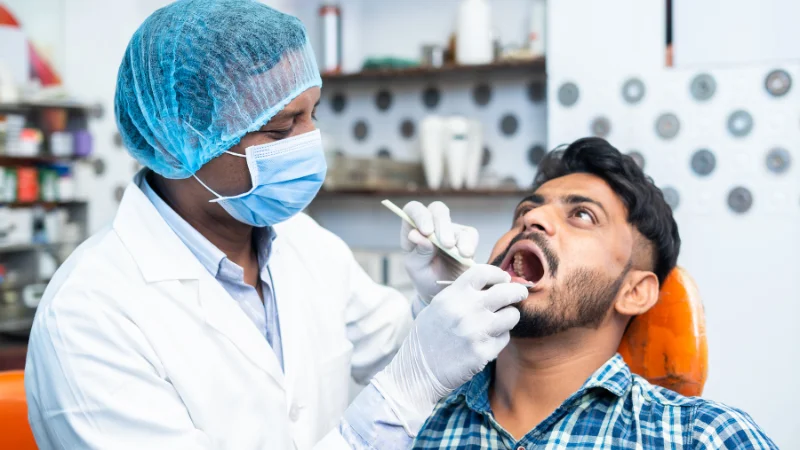
Beyond a simple peek at your pearly whites, routine dental checkups include several important steps.
To start, your dentist will look over your medical and dental history, and you’ll have the chance to mention any concerns or changes. After a comprehensive check of your teeth, the hygienist will perform a professional cleaning to remove stubborn plaque and hardened tartar from brushing.
Then, your dentist will share any results, offer advice on prevention, and discuss the ideal frequency for your follow-up care.
Tips for Maintaining Oral Health Between Visits
Keeping your mouth happy between dental visits relies heavily on your daily routine. We see our patients every few months, but if you haven’t committed to a regular routine at home you’re letting bacteria take up residence and grow on your teeth. Fortunately, these habits are quite simple and if you start to incorporate them into your life they will definitely show!
Follow these simple tips:
- Brush twice a day using fluoride toothpaste.
- Floss daily to clean areas your toothbrush cannot reach.
- Limit sugary foods and acidic drinks, and avoid tobacco products.
- Drink plenty of water throughout the day.
- Replace your toothbrush every three to four months.
- Schedule regular dental visits instead of waiting for pain.
Together, these habits, coupled with proper professional treatment can build the best basis for long-lasting healthy teeth and gums.
Why Choose Dr. Sachin’s Dental Clinic?
Whether you are searching for quality dental treatments or reliable care for your loved ones, Dr. Sachin’s Dental Clinic provides end-to-end solutions for everyone from the smallest patient to the oldest.
We aim at preventative, restorative, cosmetic and specialized dentistry, without ever overlooking patient comfort. Rely on our advanced techniques, equipment, the professional and the experienced dentists for a complete and customised experience.
Convenient appointment scheduling and a patient-first approach make it a dependable choice for families seeking quality dental care in Patna.
Taking action before a small concern becomes a major problem is always the smarter choice.
FAQs
How often should you go to the dentist for a cleaning?
Most people should get a professional dental cleaning every 6 months.
When is the best time to go to the dentist?
The best time is before pain or dental problems evolved, through regular preventive checkups.
Is going to the dentist necessary?
Yes, routine dental visits are essential for maintaining long-term oral health.
Do you need to go to the dentist every 6 months?
For many people, a 6-month dental visit is the standard preventive care schedule.
Why do I have to go to the dentist every 3 months?
Frequent visits help control gum disease and reduce the risk of worsening oral health issues.
Your Healthy Smile Starts Here!
A healthy mouth doesn’t mean just daily brushing and flossing. It’s also about spotting early warning signs and taking proactive action when treatment can be easy. When you attend regular dental visits at our Dr. Sachin’s Dental Clinic in Patna, dentists can spot common issues like cavities, gum disease, and enamel erosion before they become painful, costly problems that can lead to a reduced quality of life.
Following your personalised dental care plan as well as proper daily oral hygiene is the simplest way to keep your teeth and gums in great condition for decades to come.
For your next appointment or procedure, call Dr. Sachin’s Dental Clinic in Patna to make your appointment.

